Updated
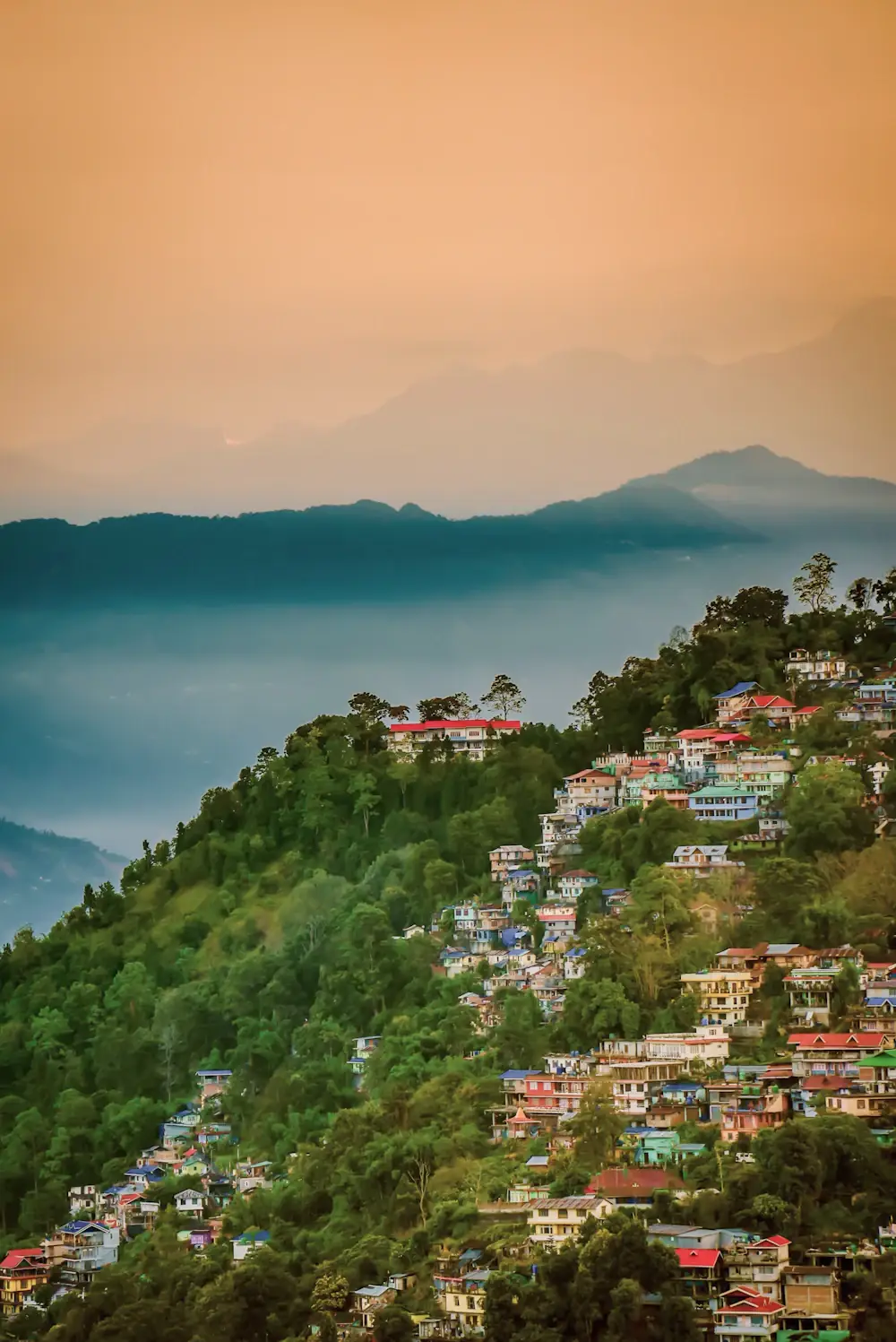
In the Darjeeling and Kalimpong hills, momos and thukpa are everyday food rather than a treat. Momos are steamed dumplings filled with meat or vegetables, served with a bowl of thin soup and a fiery tomato chutney; thukpa is a bowl of noodles in hot broth with vegetables or meat. Both came to the hills with Tibetan and Nepali communities and are now found at every bazaar and roadside café.
Momo
Momos are believed to have begun among the Newar community of Nepal's Kathmandu Valley and in Tibet; it is uncertain which way they travelled. One legend credits a seventh-century Nepali princess with bringing them to Tibet. They are traditionally steamed over soup in a stacked steamer, and can also be pan-fried or deep-fried after steaming.
In Darjeeling, fillings include chicken, pork, mutton, beef and vegetables, and soft chhurpi cheese is also used. Momos come with a watery vegetable or meat soup and a hot tomato chutney. Variations include jhol momo, dumplings served in a spiced broth, popular in the colder months. Kolkata has its own momo stalls too, and the larger, flatter dhapu momo may have travelled to Nepal partly through the Chinese community of Kolkata.
Thukpa
Thukpa is a Tibetan word for any soup or stew combined with noodles, and the dish began in eastern Tibet. It can be vegetarian or made with chicken, mutton, pork or egg, and is garnished with spring onion and coriander. In India it is eaten by people of Nepali and Tibetan origin in Sikkim, Darjeeling district, Arunachal Pradesh and Ladakh, and in the hills it is a standard lunch or supper.
Variants include thenthuk, with hand-pulled flat noodles, and gyathuk, with Chinese-style noodles. Darjeeling's hill food also includes fermented foods such as gundruk (leafy greens) and kinema (soybean), and hard chhurpi, a dried cheese of cow or yak milk chewed as a snack.
Where to eat them
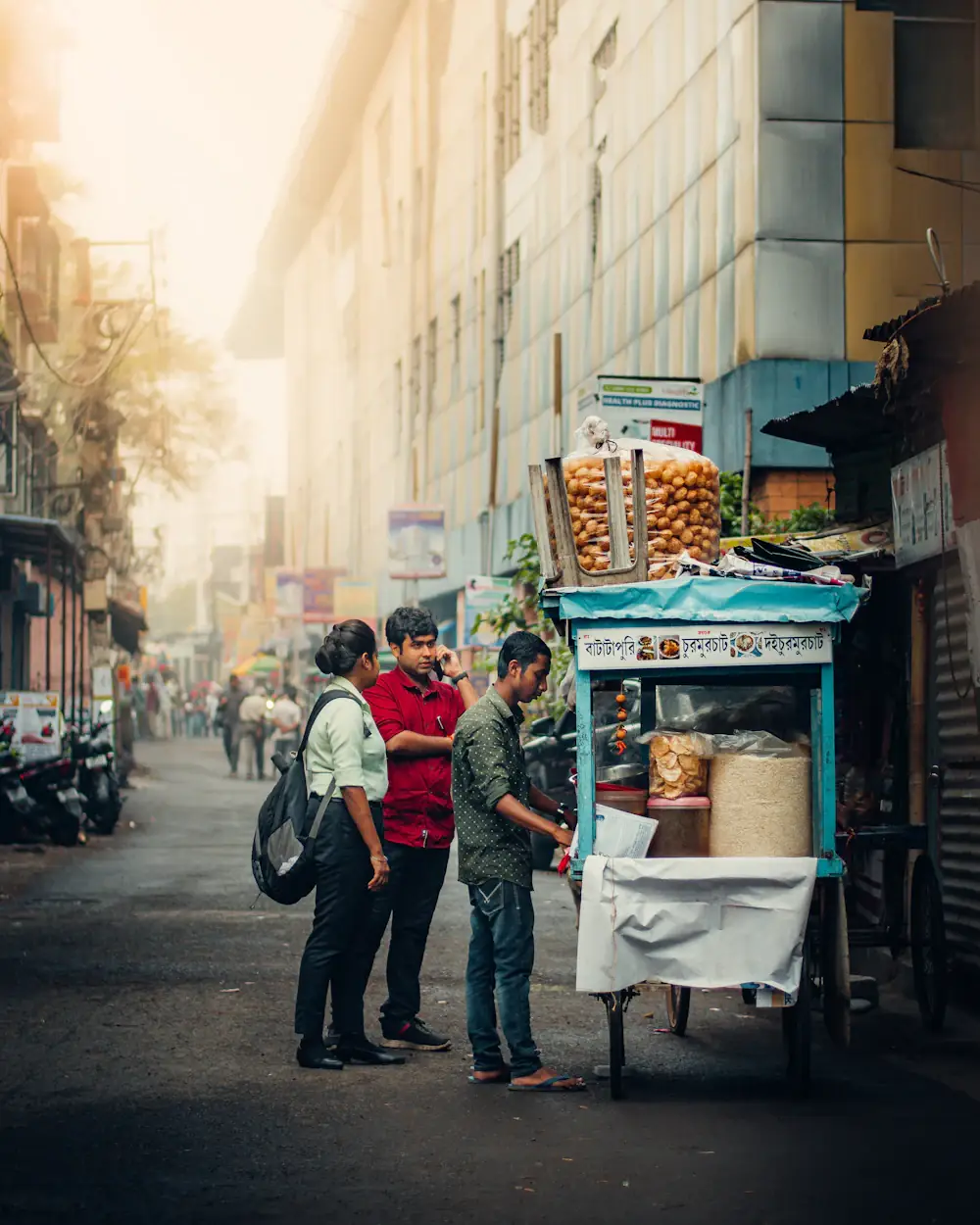
In Darjeeling, the small Tibetan and Nepali eateries around the main bazaar are the places to go. Kunga Restaurant is known for momos and thukpa; Jibro is known for jhol momo; and local eateries such as Kalika and Thuli Gurung Ni serve momo chilli to working locals. In Kalimpong, the tourism department describes a cuisine that ranges from soft steamed momos to tangy chutneys. Order a mixed plate of steamed and fried, and ask for the chutney on the side if you are not used to chilli.
Momo & Thukpa: questions
What are momos served with in Darjeeling?
A bowl of thin vegetable or meat soup and a hot tomato chutney.
What is thukpa?
A Tibetan noodle soup with vegetables, meat or egg, eaten across the Darjeeling and Kalimpong hills.
What is chhurpi?
A cheese of cow or yak milk: soft chhurpi is used in cooking and momo fillings, while hard chhurpi is dried and chewed as a snack.
Are vegetarian momos available?
Yes. Vegetable, paneer and cheese fillings are widely sold alongside chicken, pork and mutton.