Updated
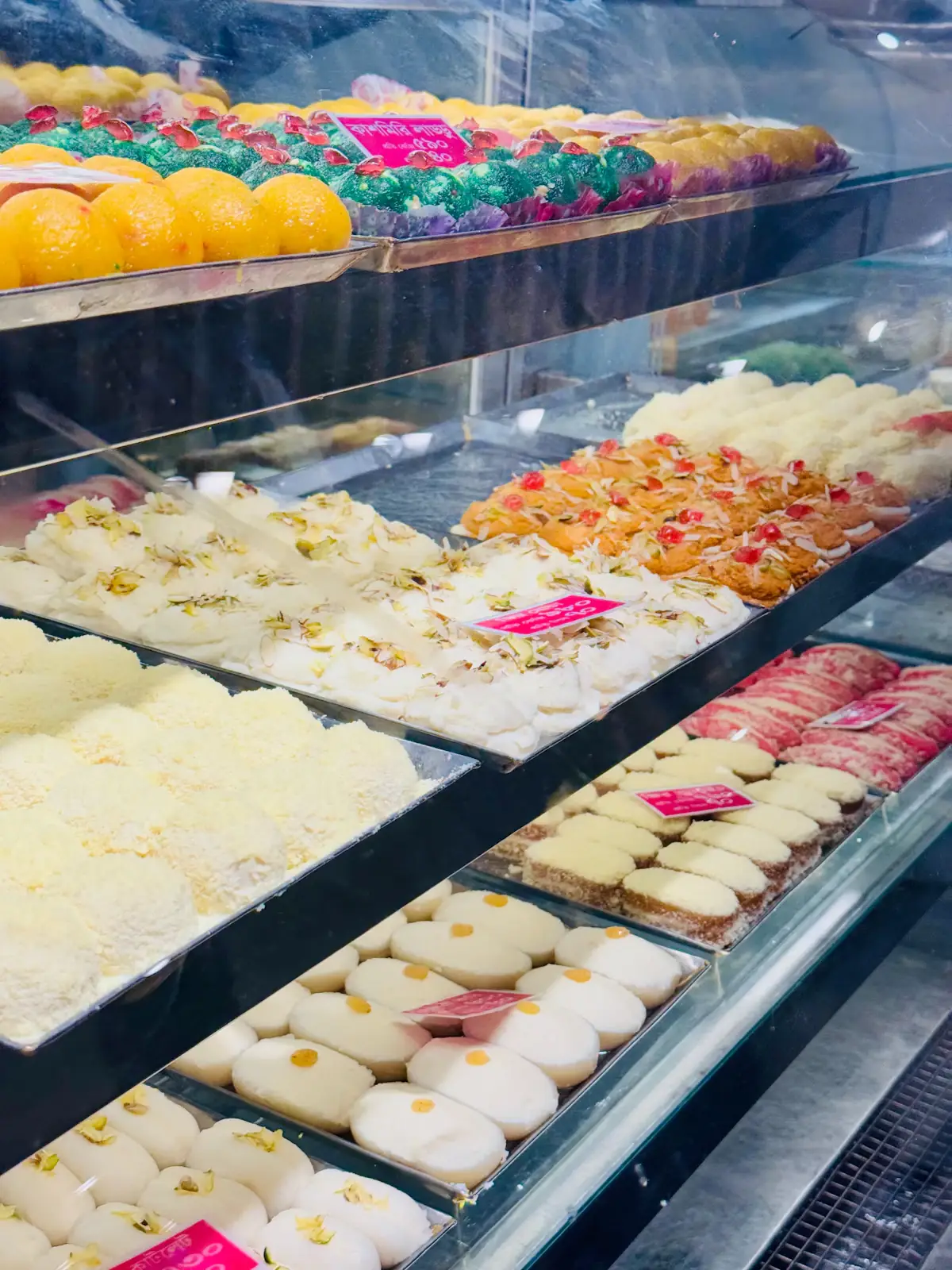
Mihidana and sitabhog are the two sweets of Bardhaman. Mihidana is a heap of tiny, saffron-yellow fried grains soaked in syrup; sitabhog looks like a plate of white rice or vermicelli, studded with small dark sweets. Both were made famous for a viceroy's visit in 1904, and both received Geographical Indication tags in 2017.
A sweet for the viceroy
In 1904 the Viceroy, Lord Curzon, visited Bardhaman, and the Maharaja Bijay Chand Mahtab asked the confectioner Bhairab Chandra Nag to create something new for the occasion. Nag presented mihidana and sitabhog on 19 August 1904, and Curzon praised them in a certificate. Another family account credits his ancestor Khettranath Nag with first making them under an earlier Maharaja, Mahtab Chand.
Both sweets have since become part of Bardhaman's identity. Mihidana is served on Bijoya Dashami at the end of Durga Puja, and it appears in Sukumar Roy's comic stories of Pagla Dashu. The GI registry recorded Bardhaman Mihidana and Bardhaman Sitabhog on 29 April 2017.
How mihidana is made
The name means "fine grain": mihi is fine and dana grain. It has been called the micro cousin of boondi. A batter of powdered fragrant rice, traditionally kaminibhog and gobindobhog with some basmati, is mixed with a little gram flour and saffron for colour. It is pressed through a perforated brass ladle into hot ghee, where it fries into tiny grains, which are then soaked in sugar syrup.
How sitabhog is made
Sitabhog is made from chhena (fresh cheese), rice flour and sugar, worked into fine white grains and strands that look like rice or vermicelli. It is served mixed with small pieces of gulab jamun, called nikhuti, so that a plate resembles a sweet pulao. It is usually bought together with mihidana.
Sweet shops in Bardhaman sell both by weight. Langcha from nearby Shaktigarh is the third sweet travellers usually pick up on the way.
Mihidana & Sitabhog: questions
Who invented mihidana and sitabhog?
The confectioner Bhairab Chandra Nag of Bardhaman presented them for Lord Curzon's visit in 1904; one family account credits an earlier Nag, Khettranath.
When did mihidana and sitabhog get GI tags?
Both were registered as Geographical Indications of West Bengal on 29 April 2017.
What is mihidana made of?
Powdered fragrant rice and a little gram flour, coloured with saffron, fried in ghee as tiny grains and soaked in syrup.
What are the dark pieces in sitabhog?
Small pieces of gulab jamun, called nikhuti.