Updated
Gangasagar Mela is the great winter pilgrimage to the southern tip of Sagar Island, where the Ganges (here the Hooghly) flows into the Bay of Bengal. On Makar Sankranti in mid-January pilgrims from across India take a holy dip at the confluence and worship at the temple of the sage Kapil Muni. It is often described as the second largest Hindu gathering after the Kumbh Mela, and it is organised each year by the state government.
The legend of Gangasagar
The story behind the mela is told in the epics. King Sagara's sixty thousand sons, searching for a lost sacrificial horse, disturbed the sage Kapil Muni at his hermitage here and were burnt to ashes by his anger. Generations later Sagara's descendant Bhagiratha brought the river Ganga down from heaven, and its waters, reaching the sea at this spot, released their souls. Bathing at the confluence on Sankranti is believed to wash away sins.
An old saying in Bangla, sab tirtha bar bar, Gangasagar ek bar, means "every other pilgrimage again and again, Gangasagar just once". It recalls a time when the journey through the delta was slow and dangerous. The present Kapil Muni temple is modern: it took shape between 1964 and 1974, with help from the state government in the 1970s, and stands a few hundred metres from the shore.
Rituals at the mela
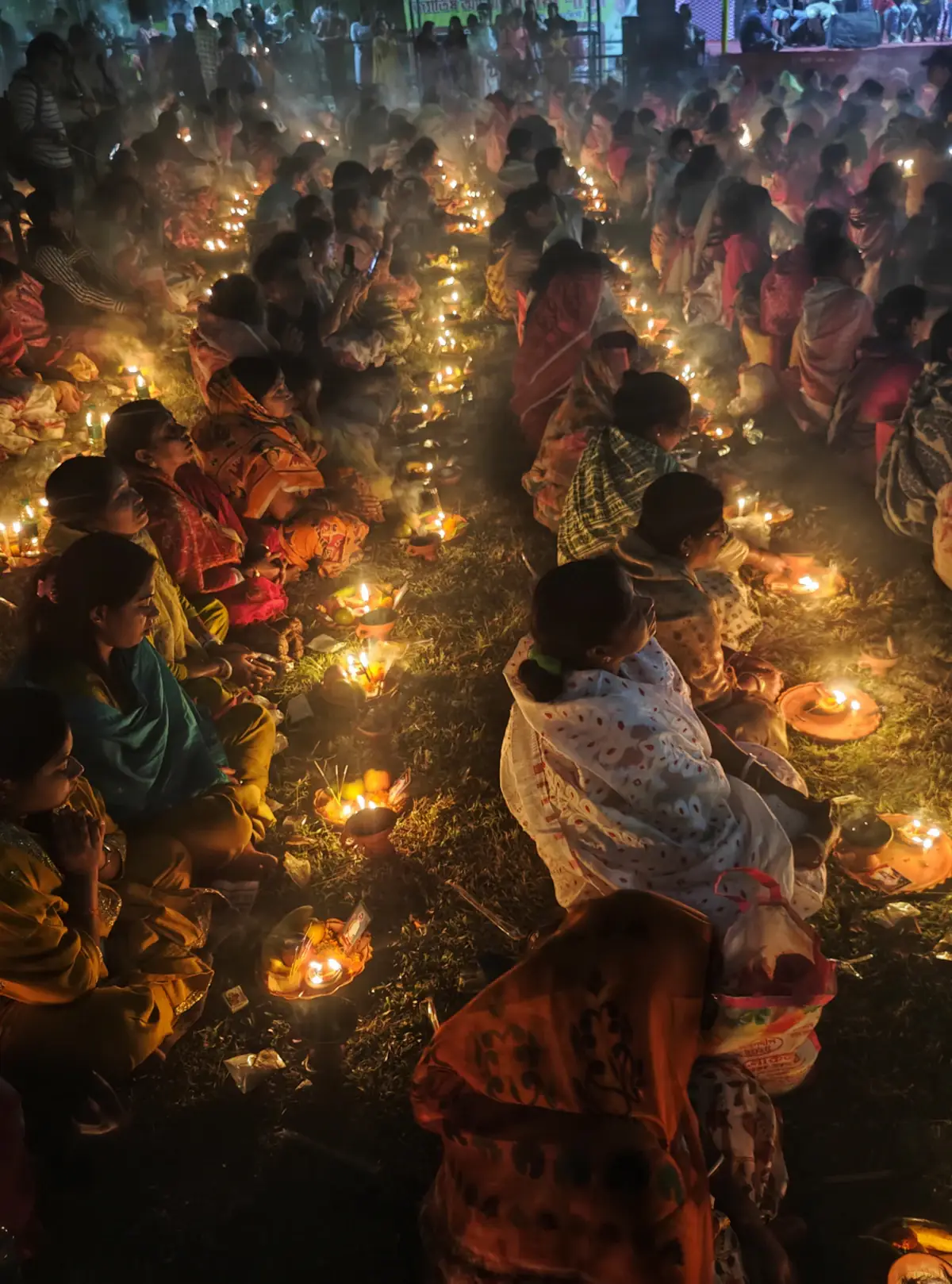
The central act is the holy dip in the sea during the auspicious window of Makar Sankranti, whose timing is announced each year and can stretch from one evening into the next. Pilgrims then offer prayers to the sun, worship at the Kapil Muni temple and light ghee lamps. Some keep a fast or perform a fire ritual, and the beach becomes a long camp of sadhus, pilgrims' tents and stalls.
Crowds and getting there
Numbers have grown sharply. Estimates quoted for recent fairs run into the millions, with reported figures of around 5 million in 2023 and higher claims for 2024; earlier in the 2000s the count was in the hundreds of thousands. Treat any figure as an estimate.
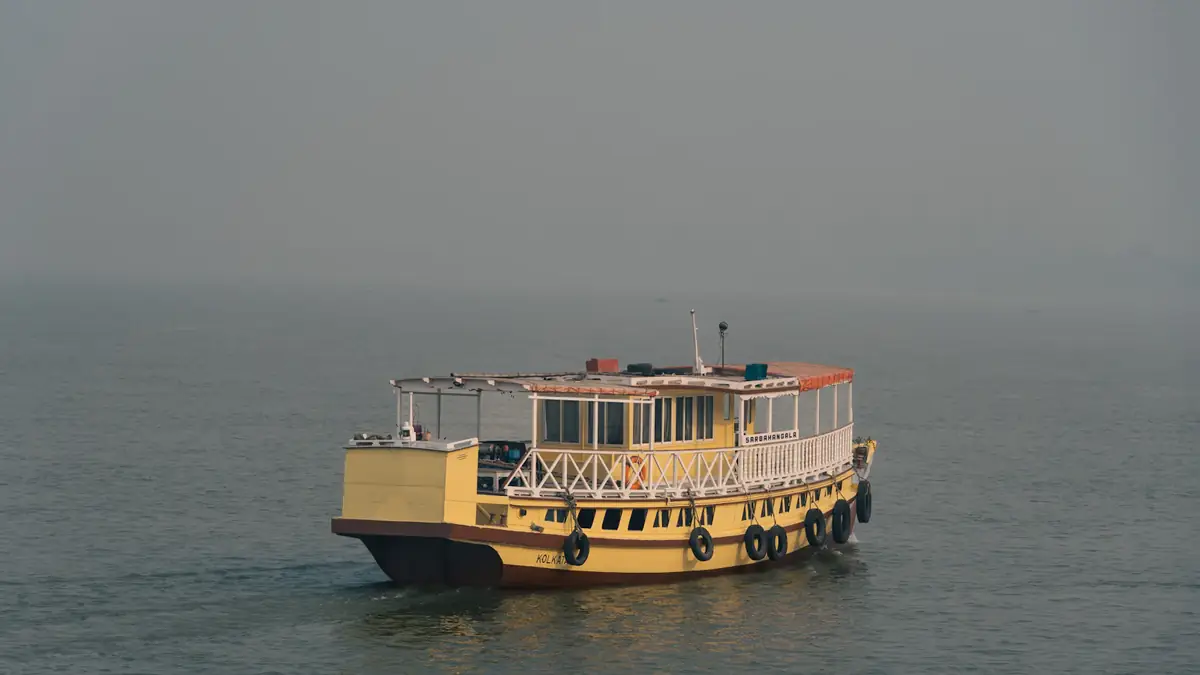
Most pilgrims travel through Kolkata, where the state sets up transit camps, then by road to Harwood Point near Kakdwip and across the Muri Ganga, a channel of about 3.5 km, by ferry or vessel to Kachuberia at the north end of Sagar Island. From there it is roughly 32 km by bus or car to the beach at the southern tip. Crossings depend on the tide, and the channel is dredged every year to keep ferries moving; temporary jetties are added for the fair. Fog can slow or stop crossings on winter mornings, so allow plenty of time.
Visitor tips
If you want to see the island without the crowds, visit outside the mela week. If you come for the mela, book transport early, travel light, keep the government-issued pilgrim information with you, and follow the announcements on crossing times. The sea is shallow but crowded at the bathing ghats; families should agree on a meeting point.
Gangasagar Mela: questions
When is Gangasagar Mela held?
Around Makar Sankranti in mid-January, usually 14 or 15 January. The exact bathing window is announced each year.
Why is Gangasagar famous?
It is where the Ganges meets the sea, and the site of the Kapil Muni temple, linked to the legend of King Sagara's sons and Bhagiratha bringing the Ganga to earth.
How many people attend Gangasagar Mela?
Official estimates in recent years run into the millions; reported figures differ widely from year to year, so treat them as approximate.
How do you cross to Sagar Island?
By ferry or vessel across the Muri Ganga from the Kakdwip side to Kachuberia, then by road to the beach. Crossings depend on the tide.