Updated
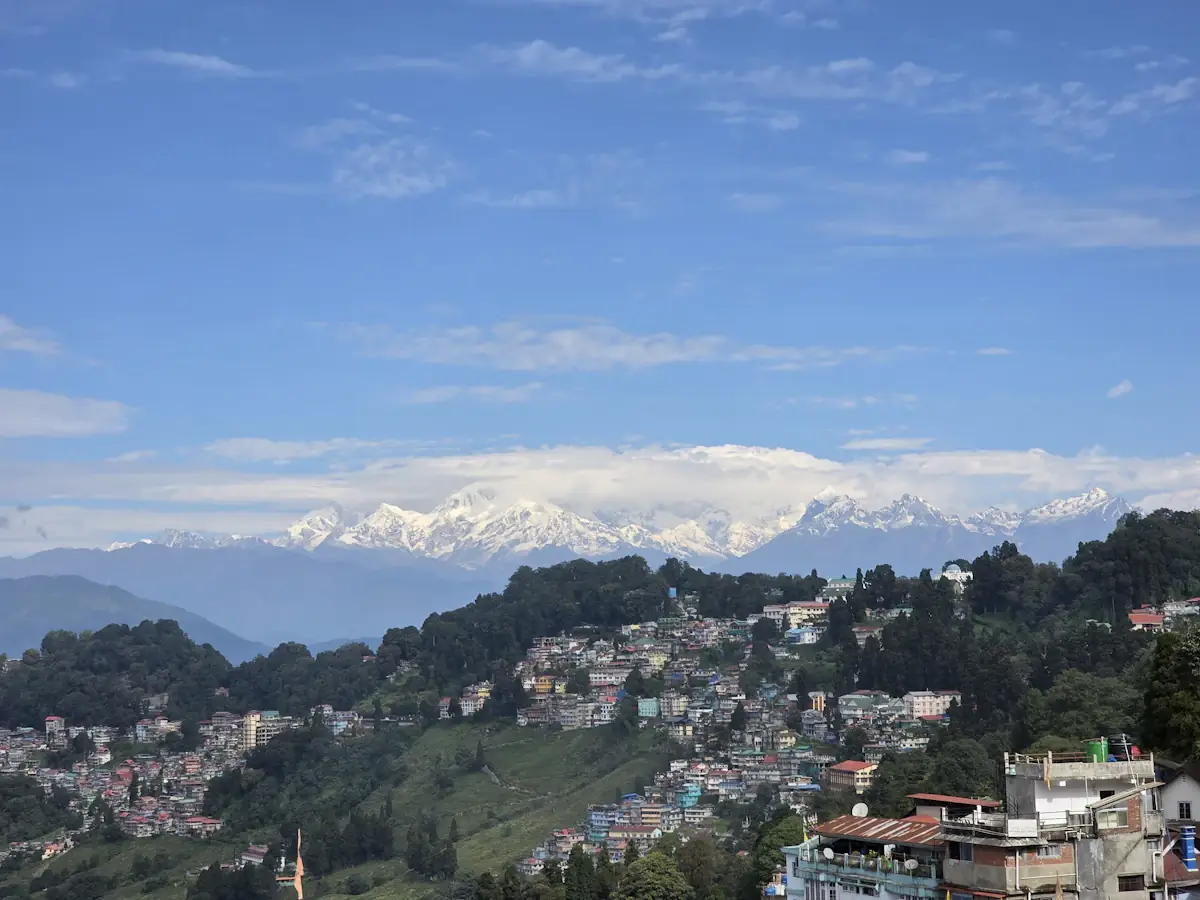
The Himalayan Mountaineering Institute was founded in Darjeeling in 1954, a year after Tenzing Norgay and Edmund Hillary reached the summit of Everest, to make mountaineering an organised sport in India. It is the country's oldest mountaineering school and still runs courses, but for visitors it is best known for its mountaineering museum and the memorial to Tenzing, who lived in Darjeeling and was cremated here.
History
Everest was climbed on 29 May 1953, and the idea of a national climbing school followed quickly. Prime Minister Jawaharlal Nehru and Dr Bidhan Chandra Roy, then Chief Minister of West Bengal, are credited with starting the institute, and it was established on 4 November 1954. Its first principal was Major Narendra Dhar Jayal, a pioneer of Indian mountaineering who died in 1958 aged only 31. Tenzing Norgay became the first Director of Field Training.
The campus buildings were designed by the architect Joseph Allen Stein. By the institute's 65th anniversary in 2019, more than 47,000 people had been trained here, about 2,500 of them from abroad. HMI teams have climbed Everest, and its alumni include several well-known Indian climbers.
Tenzing Norgay and Darjeeling
Tenzing settled in Darjeeling's Sherpa community at the age of 19, and from here he joined the expeditions that eventually took him to the top of Everest. He worked with the institute for the rest of his life, and when he died in Darjeeling on 9 May 1986 he was cremated at HMI, described as his favourite haunt. A statue of Tenzing stands outside the museum building.
The museum and visiting
The mountaineering museum, set up in 1957, has a relief model of the Himalaya, old ice axes, boots, oxygen sets and other equipment, displays on the peoples of the mountains, and an Everest gallery with expedition history going back to the early British attempts, which set out from Darjeeling, and gear from the 1953 ascent.
HMI shares its main gate with the Padmaja Naidu Himalayan Zoological Park, and a combined ticket has covered the zoo and the institute; most visitors see both in a half-day. Photography is not allowed inside the museum. Check current hours, the weekly closing day and fees before visiting. The institute's Basic, Advanced and Adventure courses are run separately and must be booked with HMI.
Himalayan Mountaineering Institute: questions
Who founded the Himalayan Mountaineering Institute?
It was started by Prime Minister Jawaharlal Nehru with Dr B.C. Roy, then Chief Minister of West Bengal, and established on 4 November 1954. Tenzing Norgay was its first Director of Field Training.
Is Tenzing Norgay buried at HMI?
Tenzing died in Darjeeling on 9 May 1986 and was cremated at the Himalayan Mountaineering Institute. A memorial and a statue of him stand on the campus.
What is in the HMI museum?
A relief model of the Himalaya, historic climbing equipment, displays on mountain peoples, and an Everest gallery with material from past expeditions, including the 1953 ascent.
Can tourists do a course at HMI?
The institute runs Adventure, Basic and Advanced mountaineering courses. They have to be booked in advance with HMI; check eligibility and dates on its official channels.